




Investor Protection in a Shifting US Environment: Recap from FRT’s Roundtable in New York
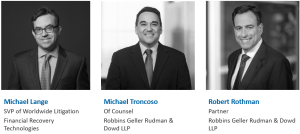
On December 4, 2025, Financial Recovery Technologies hosted a timely discussion on the evolving US political landscape and its impact on investor rights and stewardship. The event featured insights from leading legal experts, including Mike Lange of Financial Recovery Technologies and Robert Rothman & Michael Troncoso of Robbins Geller Rudman & Dowd LLP, and brought together representatives from top institutions in and around New York City.
Peak Power and Political Change
The session opened with an analysis of the unprecedented consolidation of political power in the US, with the presidency, both houses of Congress, and a Supreme Court “super majority” now aligned under Republican leadership. This rare alignment has enabled sweeping policy changes, including efforts to limit shareholder activism, reshape regulatory agencies, and roll back environmental and consumer protections.
Rollback of Investor Rights
A central theme was the significant rollback of investor protections. New federal and state policies have imposed limits on shareholder engagement and participation in governance, including:
- Restrictions on shareholder proposals and voting rights
- New hurdles for proxy advisors, especially regarding ESG and DEI considerations
- State-level changes, such as Texas’s new restrictions on shareholder rights and Delaware’s Senate Bill 21, which narrows the definition of “controlling shareholder” and limits judicial review of conflicted transactions.
The Role of Litigation and the Courts
Despite these challenges, US shareholder litigation remains a powerful tool for investors. The speakers highlighted recent court cases where district judges have acted as a check on executive power, and discussed the measurable impact of litigation on corporate governance—such as separating CEO and chairperson roles, strengthening internal controls, and limiting executive compensation.
SEC Fair Funds and No Claim Form Settlements
The event also addressed operational challenges in recovering assets through SEC Fair Funds and Delaware “no claim form” settlements. Attendees learned about:
- Increasing procedural hurdles and high rejection rates in Fair Fund claims, especially for smaller investors
- The shift toward direct payments to beneficial owners, creating new responsibilities for custodians and intermediaries
- The importance of early alerts and technology solutions to help institutional investors navigate complex settlement processes.
Looking Ahead: Action Steps for Investors
The discussion concluded with practical guidance for institutional investors:
- Stay vigilant and proactive in monitoring portfolios and filing claims
- Consider taking lead plaintiff roles in US shareholder litigation to maximize recoveries
- Engage with industry groups and regulators to advocate for fairer processes and improved transparency.
This event underscored the importance of adaptability and collaboration as the regulatory environment continues to evolve. Thank you to all who attended and contributed to this important conversation.
If you have a potential topic for a FRT Roundtable next year, please email Jenn Rothenberg, VP of Marketing at jrothenberg@frtservices.com.